10 Best Fabrics for Durable Industrial Workwear and Corporate Uniforms
The 10 fabrics that survive Faisalabad's mills, warehouses and offices - with GSM, blends, shrinkage figures and 2026 pricing for bulk uniform orders.
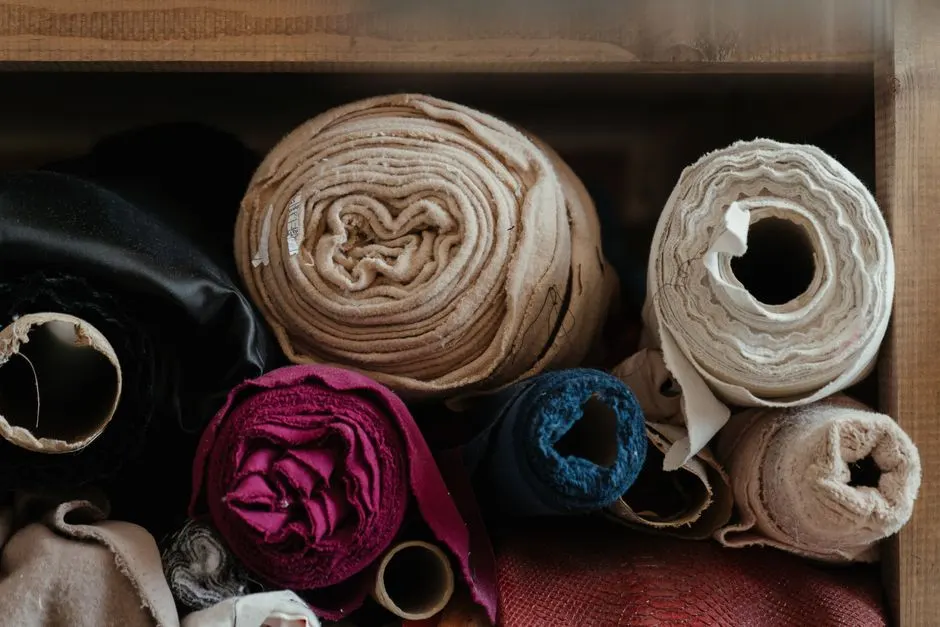
The 10 best fabrics for durable industrial workwear and corporate uniforms are poly-cotton twill, 100% cotton drill, cotton canvas, polyester-cotton poplin, 100% polyester gabardine, ripstop poly-cotton, denim, brushed cotton flannel, high-visibility polyester knit, and flame-resistant aramid blends. Each one earns its place because it survives repeated industrial washing, holds its colour, and keeps its shape after months of daily wear - not because it feels nice on a sample card.
We supply and stitch uniforms across Faisalabad, from textile mills in Sadaqabad to corporate offices on Jaranwala Road, and the fabric choice is the single decision that determines whether a uniform lasts eight months or three years. This guide walks through all ten fabrics with real GSM figures, shrinkage percentages, and 2026 pricing so you can specify the right one for your workforce.
What Makes a Uniform Fabric Actually Durable
Uniform fabric durability is a measure of how well a woven or knitted textile resists abrasion, tearing, colour loss, and shrinkage across 50 or more industrial wash cycles. Four numbers decide it: fabric weight in GSM, yarn count, weave structure, and colourfastness rating.
Fabric weight is the first filter. Anything under 180 GSM is too light for industrial work - it tears at the shoulder seam within a few months. For factory floor and warehouse use, we specify 220-280 GSM. For office and hospitality uniforms, 140-180 GSM keeps staff cool while still holding a crease.
Yarn count matters just as much. A 20s or 16s single yarn gives you a heavier, coarser hand that resists abrasion. A 40s or 60s combed yarn feels smoother but wears faster under friction. For industrial coveralls, we rarely go finer than 20s.
Weave structure decides tear strength. Twill weaves (2/1 or 3/1) have a diagonal pattern that spreads stress across more threads than a plain weave, which is why almost every industrial trouser in Pakistan is made from twill. Ripstop adds a grid of thicker threads every 5-8 mm that stops a tear from running.
Colourfastness is the number most buyers ignore until month four, when navy shirts turn grey and orange coveralls fade to peach. Look for a minimum rating of 4 on the ISO 105-C06 wash test and 6 on the ISO 105-B02 light test. Anything lower will visibly fade inside a year under Faisalabad's sun.
If you want the full picture of how fabric selection fits into a finished uniform programme, our team at Clothes and fabric manufacturer Faisalabad handles everything from yarn selection to final stitching under one roof.
The 10 Best Fabrics for Industrial Workwear and Corporate Uniforms
1. Poly-Cotton Twill (65/35, 240 GSM)
This is the workhorse of Pakistani industrial uniforms. The 65% polyester / 35% cotton blend gives you the abrasion resistance of polyester with enough cotton to breathe in 40°C heat. Shrinkage runs 1-2% after the first wash, and colourfastness sits at 4-5. We use it for coveralls, workshop trousers, and security uniforms across Faisalabad.
2. 100% Cotton Drill (280 GSM)
Cotton drill is the fabric welders and foundry workers ask for by name. It is heavy, holds up to sparks better than any synthetic, and does not melt onto skin the way polyester does. The trade-off is shrinkage - expect 3-5% on the first wash if the fabric has not been pre-shrunk. Always specify sanforized drill.
3. Cotton Canvas (320-400 GSM)
Canvas is the heaviest fabric on this list. At 320-400 GSM it is stiff, extremely abrasion-resistant, and used for heavy-duty aprons, tool vests, and outdoor utility jackets. It takes 20-30 washes to soften properly. Not suitable for indoor office wear.
4. Poly-Cotton Poplin (140-160 GSM)
Poplin is the corporate shirt fabric. A tight plain weave, 40s yarn count, and 60/40 poly-cotton blend give a smooth finish that holds a press and takes embroidery cleanly. It is not built for factory floors - the light weight tears on rough surfaces - but for office and reception staff it is the right call.
5. 100% Polyester Gabardine (220 GSM)
Gabardine has a tight twill weave that sheds water and resists stains. It is the standard for security guard uniforms because it holds a sharp crease through a 12-hour shift and does not absorb dust. Downside: it traps heat, so it suits guards on night duty better than outdoor day shifts in June.
6. Ripstop Poly-Cotton (200-220 GSM)
Ripstop uses a reinforcing grid woven every 5-8 mm. If a tear starts, the grid stops it from spreading more than a few centimetres. We recommend it for maintenance crews, drivers, and anyone working around sharp edges or machinery. Tear strength is roughly double that of standard poplin at the same weight.
7. Denim (12-14 oz)
Denim is the fabric for workshop trousers, technician uniforms, and casual corporate wear. At 12-14 oz it takes years of abuse. Shrinkage is the main risk - unsanforized denim can lose 5-7% in length on the first wash, so we always pre-wash and cut to the shrunk measurement.
8. Brushed Cotton Flannel (180-200 GSM)
Flannel is the winter shirt fabric for Faisalabad's December and January cold snaps, when morning temperatures drop to 4-6°C. The brushed surface traps air for warmth without bulk. It pills faster than twill, so we recommend it for office and supervisory staff rather than heavy industrial use.
9. High-Visibility Polyester Knit (120-150 GSM)
Hi-vis fabric is not just bright yellow - it is engineered. The base is a lightweight polyester knit, with retro-reflective tape stitched at 50 mm width on the chest, back, and sleeves. Fluorescent dye must meet EN ISO 20471 colourfastness, and the reflective tape must survive 25 industrial washes without cracking.
10. Flame-Resistant Aramid Blend (240-280 GSM)
Aramid blends (Nomex, Kevlar, or their equivalents) are the only fabrics that genuinely protect against flash fire and arc flash. They are inherently flame-resistant - the protection does not wash out - and self-extinguish within 2 seconds. Cost is 6-10 times standard poly-cotton, so they are reserved for oil and gas, electrical, and petrochemical crews.
If your workforce needs a mix of these fabrics across different departments, our Uniform Fabric Sourcing and Wholesale Supply in Faisalabad service handles the sourcing, testing, and bulk supply in one order.
Which Fabric Should You Choose for Which Job?
Match the fabric to the hazard, not the budget. Here is how we map it for clients across Punjab:
- Textile mill floor, warehouse, general labour: poly-cotton twill 240 GSM - best balance of cost, breathability, and abrasion resistance.
- Welding, foundry, metalwork: 100% cotton drill 280 GSM, sanforized - no synthetics near sparks.
- Security guards, night duty: polyester gabardine 220 GSM - holds crease, resists dust.
- Corporate office, reception, sales: poly-cotton poplin 140-160 GSM - crisp, embroidery-friendly.
- Maintenance, drivers, logistics: ripstop poly-cotton 200-220 GSM - tear-stopping grid.
- Road crews, construction, traffic management: hi-vis polyester knit with 50 mm reflective tape.
- Oil and gas, electrical, petrochemical: aramid blend 240-280 GSM - inherent flame resistance.
- Winter outdoor staff: brushed cotton flannel 180-200 GSM as a shirt layer under a jacket.
We see this pattern hold across every industrial zone in the city. For crews working in the older mill areas around Sadaqabad and Ghulam Muhammad Abad, where dust and lint are constant, we usually push clients toward the heavier 260-280 GSM twills because lighter fabrics clog and wear faster in that environment.
How Much Do These Fabrics Cost in Faisalabad in 2026?
Typical 2026 pricing in Faisalabad runs from PKR 280 per metre for standard poly-cotton poplin up to PKR 3,500 per metre for aramid blends. Here is the range we quote on bulk orders of 500 metres or more:
- Poly-cotton poplin (140-160 GSM): PKR 280-380/metre
- Poly-cotton twill (240 GSM): PKR 420-560/metre
- 100% cotton drill (280 GSM, sanforized): PKR 480-650/metre
- Cotton canvas (320-400 GSM): PKR 620-850/metre
- Polyester gabardine (220 GSM): PKR 400-540/metre
- Ripstop poly-cotton (200-220 GSM): PKR 520-700/metre
- Denim (12-14 oz): PKR 700-1,100/metre
- Brushed cotton flannel (180-200 GSM): PKR 450-600/metre
- Hi-vis polyester knit with reflective tape: PKR 850-1,400/metre
- Aramid blend (240-280 GSM): PKR 2,400-3,500/metre
These are fabric-only prices. A finished uniform - cut, stitched, embroidered, and packed - typically adds PKR 350-900 per garment depending on complexity. A basic poly-cotton twill coverall lands around PKR 1,800-2,400 finished; a hi-vis vest with reflective tape runs PKR 1,200-1,700; an aramid coverall starts at PKR 9,000 and goes up from there.
Prices shift with cotton and polyester yarn rates, which move month to month. Lock your fabric rate at the start of a bulk order rather than at delivery.
Common Mistakes When Choosing Uniform Fabric
The most expensive mistake is choosing fabric on feel instead of specification. A soft 40s poplin feels lovely in the sample room and shreds on a workshop floor within four months.
Other mistakes we see regularly:
- Ignoring shrinkage. Buying unsanforized cotton without pre-washing means a size-L shirt becomes a size-M after the first laundry cycle. Always ask for the shrinkage percentage.
- Skipping colourfastness testing. A cheap navy dye that rates 2-3 on the wash test will turn grey in 15 washes. Insist on a minimum rating of 4.
- Using polyester near heat. Polyester melts at around 250°C and sticks to skin. Never specify it for welders, foundry workers, or anyone near open flame.
- Under-ordering. Bulk fabric orders should include 5-8% extra to cover cutting waste, rejects, and replacement garments over the uniform's life.
- Mixing dye lots. Two batches of the same navy can differ visibly. Order the full quantity in one dye lot, or accept that replacement shirts will not match.
- Forgetting embroidery compatibility. Tightly woven fabrics like gabardine take embroidery cleanly; loose knits and heavy canvas distort under dense logo stitching. Test the logo on the actual fabric before the full run.
Getting the fabric spec right at the design stage saves far more than it costs. Our Uniform Design and Pattern Development in Faisalabad service builds the fabric spec, pattern, and logo placement into one document so nothing gets lost between the buyer and the stitching floor.
When to Call a Professional Uniform Manufacturer
Call a professional the moment your order crosses 50 garments, or the moment your workforce spans more than one department with different hazards. Below that, a local tailor can handle it. Above it, the fabric spec, dye lot control, and size grading get complicated fast.
We handle the full chain - fabric sourcing, cutting, stitching, embroidery, and finishing - for clients ranging from 20-person security firms to 3,000-worker textile mills. Our team walks your site, matches fabric to hazard, and delivers a uniform that still looks right after 50 washes.
If you are also supplying staff in other regions, our Bulk Uniform Manufacturing and Wholesale Supply in Faisalabad service covers wholesale pricing and delivery across Punjab.
Frequently Asked Questions
What is the most durable fabric for industrial workwear?
For most industrial use, 240 GSM poly-cotton twill is the most durable all-round fabric - it resists abrasion, holds colour, and shrinks only 1-2%. For welding and foundry work, 280 GSM sanforized cotton drill is more durable because it will not melt. Aramid blends are the most durable where flame resistance is required.
How many washes should a uniform fabric last?
A good industrial uniform fabric should survive 50 industrial wash cycles at 60°C without visible fading, tearing, or shape loss. Poly-cotton twill and ripstop typically reach 60-80 cycles. Lightweight poplin may only last 30-40 cycles before it thins at the collar and cuffs.
Is poly-cotton or 100% cotton better for Faisalabad's summer?
100% cotton breathes better in Faisalabad's June heat, when daytime temperatures hit 45°C. Poly-cotton twill is more durable and dries faster but traps more heat. For outdoor summer work, choose a 60/40 cotton-rich blend at 200-220 GSM - it gives you most of the breathability of cotton with better wear life.
How much fabric do I need per uniform?
A standard coverall takes 3.5-4.5 metres of 150 cm wide fabric. A shirt-and-trouser set takes 2.5-3 metres. Add 5-8% waste allowance for cutting and rejects. For a 100-coverall order, budget 400-480 metres of fabric.
Can you match a specific corporate colour?
Yes. We dye to Pantone or to a physical swatch you provide. Minimum dye lot is usually 300 metres per colour. Allow 10-14 days for custom dyeing before cutting begins. We always send a lab dip for approval before the bulk dye run.
Get Help With Custom Uniform Manufacturing in Faisalabad
Choosing the right fabric is the difference between a uniform that lasts three months and one that lasts three years. We source, test, cut, stitch, and finish every order in-house at A.G. Fabrics.
Call us on +92 300 767 4374 to discuss your fabric spec, request swatches, or book a site visit anywhere in Faisalabad.