Sizes drift across a large bulk run
We cut from a single marker and check the first panel against the size chart before the knife moves. Every bundle is ticketed by size and style. On a 5,000-piece order that means piece 4,900 fits like piece one.
Custom Uniform Cutting in Faisalabad is what we do every working day at A.G. Fabrics. We cut school uniforms, factory coveralls, hospital scrubs, security kits and corporate shirts to your exact measurements, then stitch and finish them in-house. Whether you need 50 pieces or 5,000, we handle the pattern work, the fabric and the deadline. Send us your sizes and we will quote the same day.
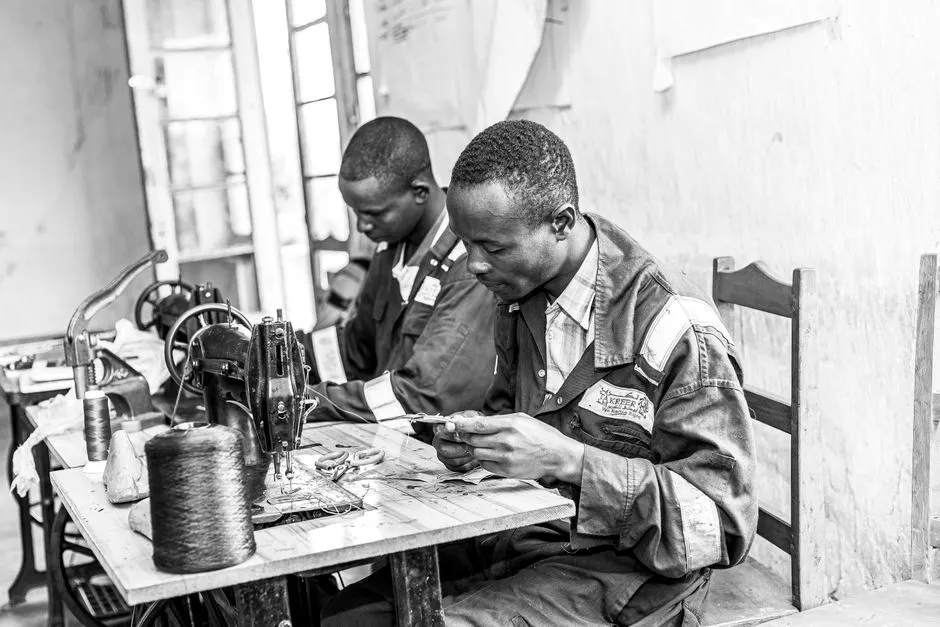
Custom uniform cutting is the stage where your fabric becomes shaped panels: fronts, backs, sleeves, collars, cuffs and pockets, all cut to a pattern that matches your size chart. At A.G. Fabrics we start with a paper or digital pattern, lay the fabric in stacks, and cut with straight knives and band knives so every piece in the run is identical. Get this stage wrong and no amount of good stitching saves the order. Get it right and 500 shirts fit like the first sample.
Faisalabad runs on textiles, so most of our customers here already know fabric. What they need is a cutting partner who can hold tolerance across a bulk run. Schools in Madina Town need 800 shirts in three size bands before the April session. A textile mill on Sargodha Road needs 300 flame-resistant coveralls for its night shift. We cut to the size breakdown you give us, bundle the pieces by size, and hand them to stitching the same week.
Every cutting order we take includes the pattern work, the marker, the lay, the cut and the bundling. Fabric sourcing, stitching, embroidery and printing are quoted separately so you only pay for what you need. Here is what lands in the standard cutting package.
We build the pattern block in your size range and lay the marker to minimise fabric waste. On a 500-piece order this takes 2 to 3 working days. Your pattern stays on file for future reorders at no extra cost.
We check every roll for shade variation, shrinkage and flaws before laying. Uniform runs need single dye lots, so mixed lots get rejected. The lay goes down in stacks of 40 to 80 plies depending on fabric weight.
Straight knives handle the long runs; band knives take the curves on collars, armholes and pocket shapes. Every panel is cut to the marker with a tolerance of plus or minus 3 millimetres. A 1,000-piece order clears the table in 3 to 4 days.
Every bundle is ticketed by size, style and order number before it leaves the cutting table. That means the stitching line pulls the right panels for the right size every time. It is the step that stops size mix-ups on a 5,000-piece run.
Before the knife moves through the full lay, we cut one panel and check it flat against the size chart. If the measurement is off, we adjust the marker and re-cut. This single check catches most size drift before it reaches the stitching line.
If you already have fabric and only want cutting, we run it as a cut-make-trim job. You supply the fabric, we cut and bundle, and you handle stitching. Pricing is quoted per piece and per lay.
You send us your size breakdown, style reference and fabric preference. We confirm the measurements, note any logo or pocket changes, and lock the spec in writing the same day. For new customers we usually ask for one physical sample garment so we can measure it flat.
Our pattern master builds the block in your size range and lays out the marker to minimise waste. On a 500-piece order this stage takes 2 to 3 working days. You approve the pattern before we cut anything, so there are no surprises at delivery.
We inspect the fabric roll for shade variation, shrinkage and flaws before laying. Uniform runs need single-shade fabric, so we check dye lot numbers and reject mixed lots. The lay goes down in stacks of 40 to 80 plies depending on fabric weight.
Straight knives handle the long runs; band knives take the curves on collars and armholes. Every bundle is ticketed by size, style and order number, then moved to stitching. A 1,000-piece order clears the cutting table in 3 to 4 days.
Panels move to our stitching lines, then to finishing for buttonholes, bartacks, trimming and pressing. We do a final size check on 10 percent of the run before packing. Delivery across Faisalabad is same-week; export orders ship from Karachi or Lahore on your forwarder.
Purpose-built equipment, used by trained technicians — so the job is done accurately the first time.
Used for long straight cuts on stacked fabric lays of 40 to 80 plies. It handles the bulk of a uniform run: shirt bodies, trouser legs, coverall panels. Blade sharpness is checked every shift to keep cut edges clean.
Used for curved cuts on collars, armholes, pocket shapes and necklines. The continuous blade lets us follow a curve without lifting the fabric. Essential for tailored uniforms where the collar shape decides the finished look.
We lay out pattern pieces digitally to test marker efficiency before cutting. A tight marker saves 8 to 14 percent of fabric on a typical uniform lay. The software also grades patterns across the full size range.
Spreads the fabric in even plies across the cutting table without tension. Uneven spreading causes panels to shrink at different rates after washing. On a 1,000-piece order the spreader saves 2 to 3 hours of manual laying.
Backlights the fabric roll so we can spot flaws, thin spots and shade variation before laying. Catching a flaw at inspection saves a whole cut panel later. Every roll is inspected before it goes on the table.
Used in finishing to press collars, cuffs and plackets into shape. A proper press sets the collar roll so the shirt looks sharp on day one. It also shrinks out residual fabric stress before packing.
Reinforce stress points like pocket corners, belt loops and fly openings. A bar tack at the pocket corner is the difference between a coverall that lasts 40 washes and one that fails at 15. Every uniform run gets bar tacks at all stress points.
A school in Madina Town was ordering uniforms from three different suppliers and getting three different fits. Sleeve lengths varied by 3 centimetres across the same size band. Parents were returning garments and the school was absorbing the cost.
We built one pattern block, graded it across the school's size range and cut all 900 pieces from a single marker. Sleeve length now varies by less than 5 millimetres across the run. Returns dropped to under 2 percent in the first year.
A textile mill on Sargodha Road was buying imported FR coveralls at a high per-piece cost and waiting 8 weeks for delivery. The seams were failing at the crotch after 20 industrial washes, and the mill was replacing coveralls every 6 months.
We sourced FR-treated cotton locally, cut with FR thread and reinforced the crotch and knee seams. The coveralls have held through 40 industrial washes. Per-piece cost dropped by 35 percent and delivery runs 3 weeks from fabric arrival.
A private hospital on Jaranwala Road was buying scrubs in mixed dye lots from a wholesaler. The colours looked matched on the shelf but mismatched on the ward. After 20 washes the poly-cotton had faded and the scrubs looked grey.
We cut each department colour as a separate lay to keep dye lots clean, and switched to a higher-grade poly-cotton blend. The scrubs have held their colour through 50 industrial washes. Ward staff now look uniform across all four departments.
Most bulk uniform orders go wrong at the cutting stage, not the stitching stage. Here are the problems we see most often from Faisalabad customers and how we handle them.
Ask a pro →We cut from a single marker and check the first panel against the size chart before the knife moves. Every bundle is ticketed by size and style. On a 5,000-piece order that means piece 4,900 fits like piece one.
We inspect every roll for dye lot numbers and reject mixed lots before laying. If your fabric supplier sends mixed lots, we flag it and hold the order until you confirm. Single-shade runs are the default on all our uniform cutting jobs.
We nest pattern pieces by size band and use offcuts for collars, cuffs and pocket bags. A tight marker saves 8 to 14 percent of fabric on a typical lay. We report actual consumption per piece on the invoice.
We schedule cutting around your fixed date, not the other way round. First orders run 3 to 4 weeks; repeat orders run 10 to 14 working days. Tell us the deadline at the quote stage and we will confirm whether we can hit it before you commit.
PKR 850 - PKR 3,500 per piece depending on style and quantity
Cutting and stitching a basic cotton uniform shirt runs PKR 850 to PKR 1,600 per piece in 2026, depending on fabric, style and quantity. Coveralls and FR workwear run PKR 1,800 to PKR 3,500. Fabric is quoted separately unless you ask us to source it. Bulk orders above 1,000 pieces get the lower end of the range. We quote per piece, not per hour, so your budget stays predictable from the first call to delivery.
Cutting is the cheapest stage to get right and the most expensive to get wrong. A tight marker saves 8 to 14 percent of fabric, and a single-marker cut holds size tolerance across the whole run. That is where your per-piece cost actually comes from.
The per-piece price drops as the run gets longer because the pattern and marker setup cost spreads across more pieces. A 100-piece order carries a higher per-piece rate than a 2,000-piece order of the same style. Wholesale pricing kicks in at 500 pieces per style.
Basic poly-cotton is the cheapest option. Twill, drill, ripstop and FR-treated cotton cost more per metre and take longer to cut because of weight and shrinkage. FR workwear sits at the top of the range because of the treatment and the FR thread.
A plain shirt with one chest pocket is quick to cut. A coverall with eight pockets, reflective bands, knee reinforcements and a two-way zip takes more pattern work and more cutting time. Each added feature adds to the per-piece cost.
A run that covers small to 3XL needs more pattern grades and a wider marker, which uses more fabric per piece. A run in two sizes only is cheaper to cut. If your team is mostly one size band, tell us and we will quote accordingly.
“We order 900 school shirts and trousers every February for the April session. A.G. Fabrics has cut our sizes for four years now and the fit is identical every time. Last year we added 200 pieces at short notice and they still delivered in 12 days. No returns pile at the gate, which is what matters to us.”
Imran S.School Administrator, Madina Town
✓ Verified“We needed 400 flame-resistant coveralls for our night shift crew. A.G. Fabrics cut them with FR thread and tagged every batch for our safety audit. The seams have held through 40 industrial washes. They quoted in a day and delivered in three weeks, which is faster than our last supplier.”
Faisal R.HR Manager, Textile Mill, Sargodha Road
✓ Verified“We ordered 600 scrub sets in four colours for our nursing staff. The colour matching across the run was spot on and the poly-cotton has not faded after 50 washes. They kept our pattern on file, so our top-up order last month shipped in 10 working days. Straightforward to deal with.”
Ayesha K.Operations Lead, Private Hospital, Jaranwala Road
✓ VerifiedCutting and stitching a basic cotton uniform shirt runs PKR 850 to PKR 1,600 per piece in 2026, depending on fabric, style and quantity. Coveralls and FR workwear run PKR 1,800 to PKR 3,500. Bulk orders above 1,000 pieces get the lower end of the range. Fabric is quoted separately unless you ask us to source it.
Our minimum is 50 pieces per style. Below that, the pattern and marker setup cost per piece climbs and it stops making sense for you. For sampling and prototype work we cut single pieces so you can approve the fit before committing to a bulk run. Most school and factory orders land between 300 and 5,000 pieces.
A first order runs 3 to 4 weeks from pattern approval to delivery. Repeat orders run 10 to 14 working days because the pattern is already on file. Cutting itself takes 3 to 4 days on a 1,000-piece order. If you have a fixed date like a school session start, tell us at the quote stage and we will schedule around it.
Yes. We cut school shirts and shalwar kameez, factory coveralls, hospital scrubs, security uniforms, corporate shirts and high-visibility vests. Each category has its own pattern block and fabric spec, so we keep them separate on the cutting floor. Tell us the category and we will send the right size chart and fabric options.
Custom Uniform ManufacturingFull-service uniform production from pattern to packed carton. If you want one supplier handling fabric, cutting, stitching and finishing, this is the route. We quote the whole job as a single per-piece price so your budget stays predictable.Explore →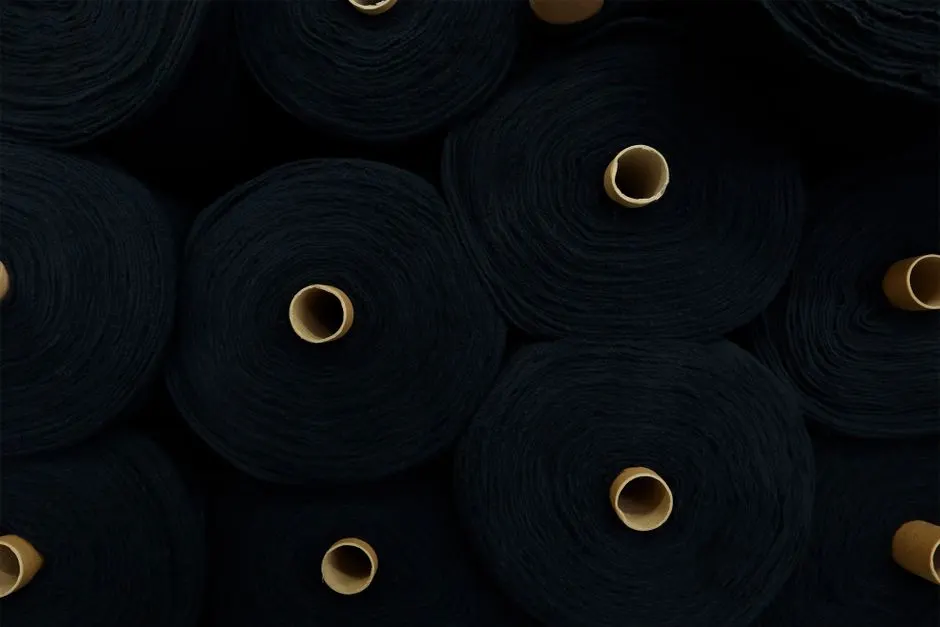 Bulk Uniform Manufacturing and Wholesale SupplyFor orders above 1,000 pieces, our bulk line runs on dedicated cutting tables and stitching lines. Wholesale pricing kicks in at 500 pieces per style. Schools, mills and security companies in Faisalabad use this route for their annual uniform contracts.Explore →
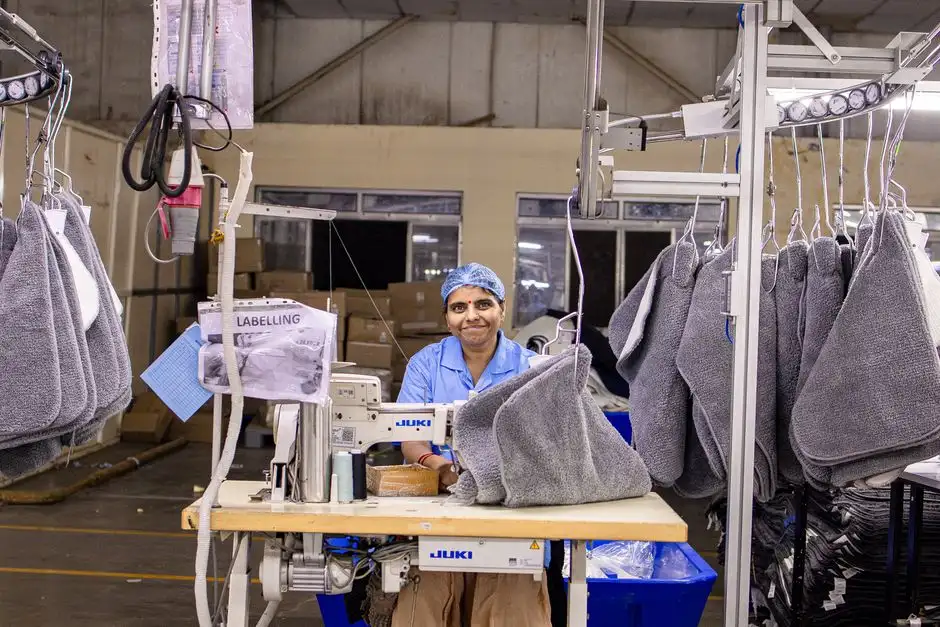 OEM and Private Label Uniform ManufacturingWe cut and stitch under your brand label for export and local resale. Your woven labels, hangtags and polybags go on at finishing. Export buyers in the UK, UAE and Saudi Arabia run private label orders through this service.Explore →
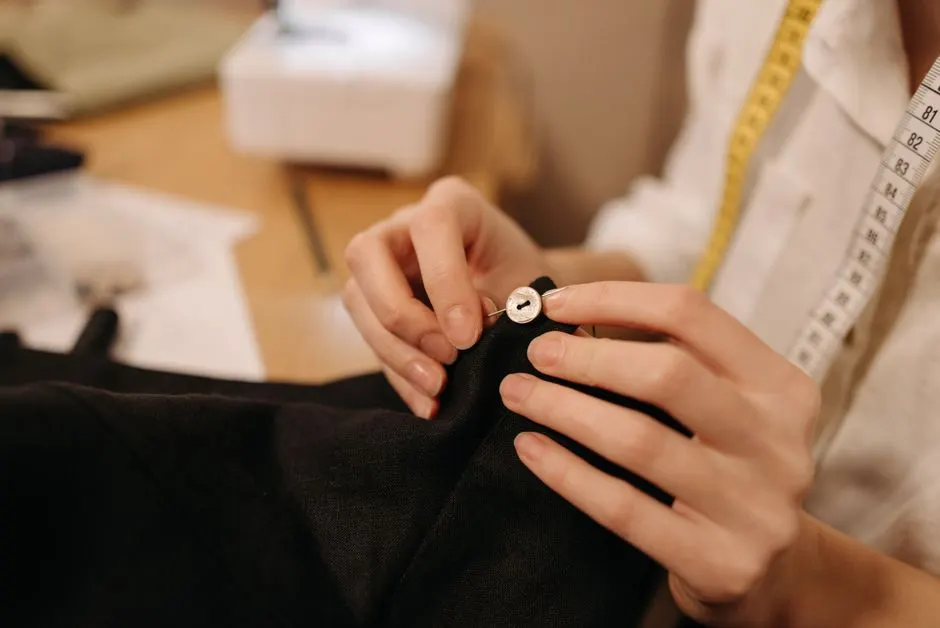 Custom Uniform Stitching and TailoringIf you already have cut panels or want us to handle only the stitching stage, this service covers it. We stitch to your spec, match thread colour to your fabric and finish with bartacks and pressing. Turnaround is 7 to 10 working days on most stitching-only orders.Explore →
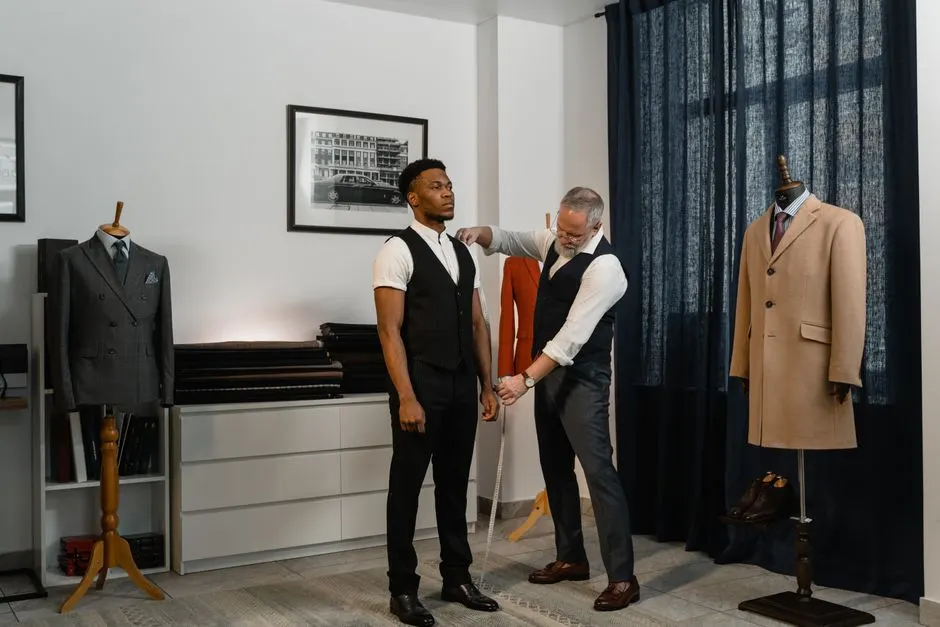 Made-to-Measure Uniform ManufacturingFor senior staff, guards and hospitality teams who need individual fits, we take per-person measurements and cut single garments. Useful when your team ranges from small to 3XL and a standard size chart will not cover everyone.Explore →
 Uniform Design and Pattern DevelopmentWe build the pattern block, grade it across your size range and produce the marker. This is the stage that decides how the finished uniform fits. Most pattern development jobs take 5 to 7 working days before cutting begins.Explore →
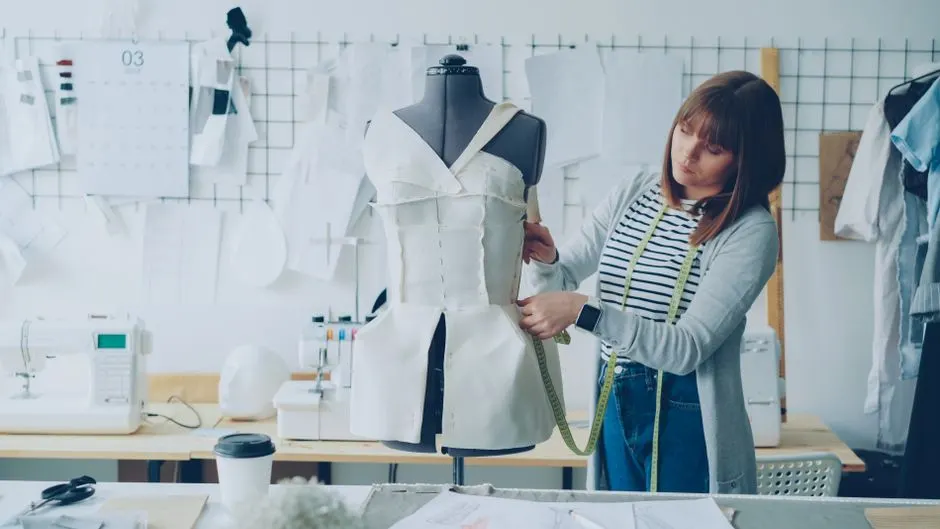 Uniform Sampling and Prototype DevelopmentBefore a bulk run, we cut and stitch one to three sample pieces so you can check fit, colour and finish. You approve the sample and we lock the spec. Sampling adds about a week to the timeline but saves re-cuts on the full order.Explore →
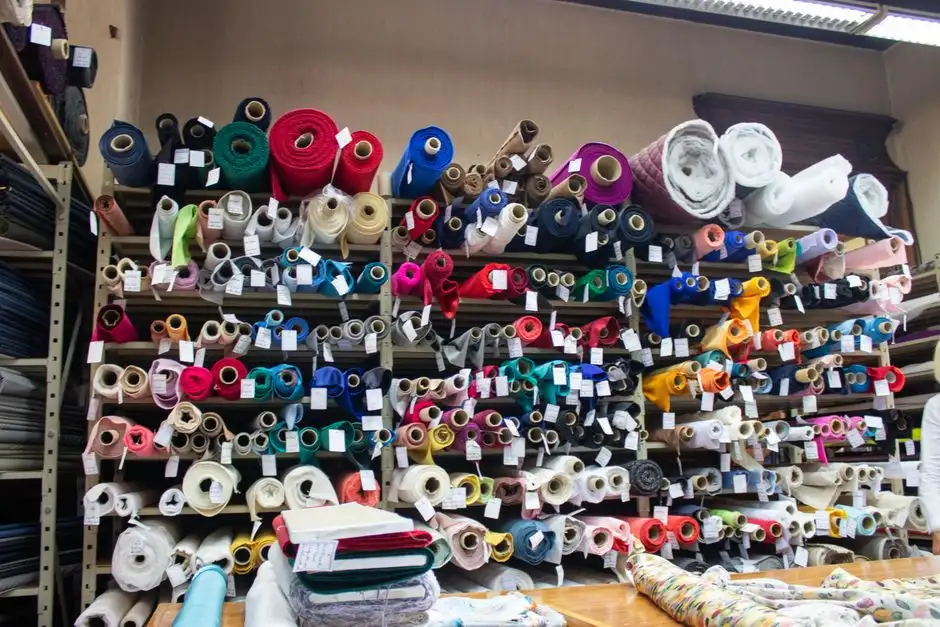 Uniform Fabric Sourcing and Wholesale SupplyWe buy poly-cotton, twill, drill, ripstop and FR-treated cotton directly from Faisalabad mills. Single dye lots, tested shrinkage and wholesale per-metre pricing. If you have your own fabric, we cut it on a cut-make-trim basis instead.Explore →
Send us your size chart, style reference and quantity and we will quote the same working day. Our cutting floor runs six days a week and we keep pattern files on record for every repeat customer. Call A.G. Fabrics on +923007674374 and let's get your order on the table.
Request a Quote +923007674374 →Call or email with your garment type, quantity and required date and we will come back with a per-piece price and a lead time, usually within one working day. Our unit is open Monday to Friday, 08:00 to 18:00, and Saturday morning for sample collection. Local buyers are welcome to visit the floor and check fabric before ordering.