Staff returning uniforms because sizes run wrong
We draft and grade the pattern before cutting, then stitch a sample for real staff to try. On a recent 420-piece school order, exchanges dropped from around 50 pieces to under 10.
Custom Uniform Stitching and Tailoring in Faisalabad means every shirt, trouser, kameez and coverall is cut and sewn to the person wearing it, not pulled off a generic size chart. We stitch for schools, hospitals, factories, security companies and offices across Punjab, from a single supervisor's coat to a 2,000-piece staff rollout. Send us your sizes and deadline, and we will tell you exactly what we can deliver.
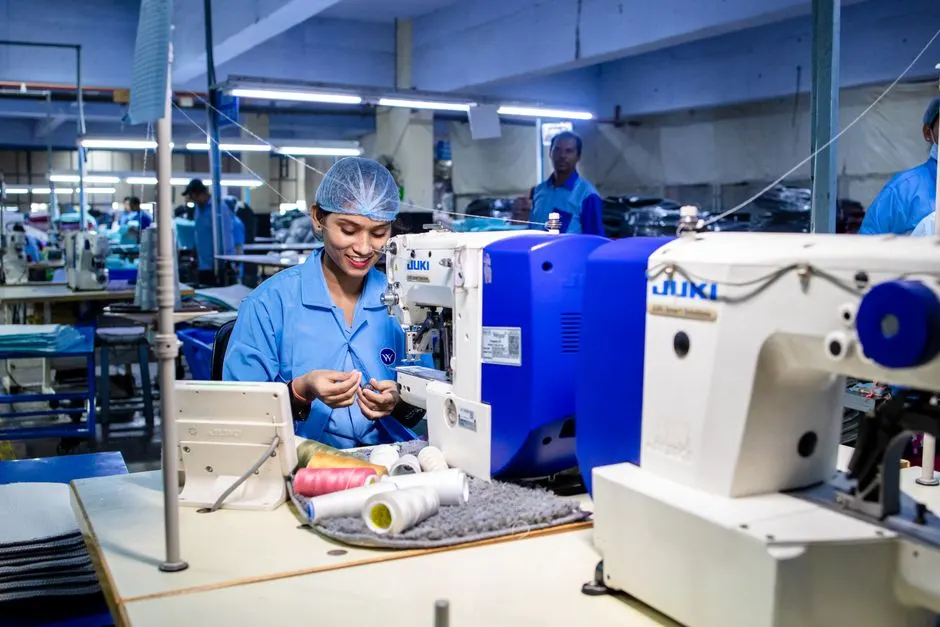
Custom uniform stitching and tailoring is the cut-and-sew stage where fabric becomes a finished, wearable uniform: pattern drafting, grading across sizes, cutting, stitching, buttonholing, hemming, embroidery and final pressing. We handle school shalwar kameez sets, hospital scrubs, factory coveralls, security shirts and corporate trousers. Every garment is measured against a size chart we build with you, so a medium from our unit fits the same way on the tenth order as it did on the first.
Faisalabad runs hot from April through September, with summer highs crossing 45C, and most staff here work long shifts in cotton, poly-cotton or drill. That is why local buyers ask for breathable weaves, reinforced crotches and double-stitched seams that survive repeated washing. If you need custom uniform stitching and tailoring in Faisalabad with a fit that holds after fifty washes, we build the pattern once and stitch every reorder to that same block.
Every order includes pattern work, cutting, stitching, finishing and a quality check against the approved sample. Fabric and logo branding are quoted separately because they vary so much by client. Here is what you get as standard on a stitching order.
We build a pattern block from your measurements or size chart, then grade it across the full size run. This block is kept on file so every reorder fits the same way as the first delivery.
Before bulk cutting, we stitch one sample for you to try on real staff. You approve the fit, trim and finish, and we do not cut the full order until you sign off.
Batch cutting with numbered lays, then stitching on industrial machines. Seams, buttons, buttonholes, hems and bartacks are all completed in-house, not subcontracted out.
Every garment is trimmed, pressed and folded before packing. Loose threads, uneven hems and misaligned buttons are caught at this stage, not by your staff on the first day of wear.
We check each garment against the approved sample for size, shade, stitch density and logo placement. Faults are pulled and re-stitched before the order leaves our unit.
Garments are packed by size and department, labelled, and delivered across Faisalabad or shipped nationwide by courier. Bulk orders can be delivered in stages if you need staff kitted out in phases.
You send staff sizes, roles and quantities, or we visit your site in Faisalabad to measure. We confirm fabric, colour, logo placement and deadline in one conversation, then quote a per-piece rate. This step takes one to two days.
We draft the pattern and stitch a sample garment, usually within three to five working days. You try it on a real staff member, not a mannequin. Fit corrections at this stage are free; corrections after bulk cutting are not.
Once you approve the sample, we lay and cut the fabric in batches. A 500-piece order is typically cut in two days. Every batch is numbered so a size or shade issue can be traced back to a specific lay.
Our line stitches, buttons, hems and finishes the garments, then adds embroidery or printing. Logo embroidery on a 200-piece order adds roughly three to four working days. Everything is pressed and folded before packing.
We inspect every garment against the approved sample: seam strength, stitch density, size tag, logo position. Faults get pulled and re-stitched before packing. Delivery across Faisalabad is same-week, and we ship nationwide by courier.
Purpose-built equipment, used by trained technicians — so the job is done accurately the first time.
The workhorse for shirts, trousers and coveralls. Used for straight seams, topstitching and edge finishing where stitch consistency matters.
Finish raw edges and prevent fraying on knit and woven fabrics. Essential on scrubs and workwear that face frequent washing.
Reinforce stress points like pocket corners, belt loops and fly openings. This is what stops a pocket tearing off a work trouser.
Cut clean buttonholes and attach buttons at consistent spacing. Uneven buttonholes are one of the first signs of a rushed stitching job.
Stitch company logos, staff names and rank insignia directly into the garment. Embroidery outlasts printed branding on uniforms that are washed daily.
Print logos and graphics on high-visibility vests, sports kits and promotional uniforms where a flat, light finish is preferred.
Apply heat-transfer branding to synthetic and performance fabrics that embroidery or screen printing cannot handle cleanly.
A school in Madina Town was exchanging nearly 50 uniforms per session because sizes ran wrong. Staff spent weeks handling returns, and students started the term in mismatched sets.
We graded the pattern across age groups and stitched a sample for two students. Exchanges dropped to under 10 pieces, and the full 420-piece order shipped in 14 working days.
A private hospital in Peoples Colony was replacing scrubs every few months because collars collapsed and seams split after high-temperature washing. Staff looked untidy within weeks of a new batch.
We stitched 180 sets in easy-wash poly-cotton with reinforced collars and double-stitched seams, plus embroidered department badges. Six months on, the scrubs still hold shape and colour.
A security firm on Sargodha Road needed 300 guard uniforms with rank epaulettes in under three weeks, and its previous supplier had already missed two deadlines.
We stitched a sample in four days, got approval, and delivered the full order on day 18. Rank insignia were embroidered in-house, and the batch was packed by rank for easy distribution.
Most uniform headaches trace back to a supplier who cut corners at the pattern stage or rushed the stitching. Here are the problems we hear about most from Faisalabad buyers, and how we fix them.
Ask a pro →We draft and grade the pattern before cutting, then stitch a sample for real staff to try. On a recent 420-piece school order, exchanges dropped from around 50 pieces to under 10.
We double-stitch stress points and match thread and stitch density to the fabric weight. For industrial coveralls we reinforce the crotch, knee and shoulder, which is where standard garments fail first.
We record the fabric lot, weight and shade on your order file. On reorders we source the closest match from Faisalabad's textile market and send a swatch for approval before cutting.
We stitch logos with the correct backing and stitch density for the fabric, then wash-test a sample. Embroidered logos outlast printed ones on uniforms that face daily laundering.
PKR 450 - PKR 2,200 per garment depending on fabric, design and quantity
Typical 2026 pricing for custom uniform stitching in Faisalabad runs from PKR 450 to PKR 2,200 per garment, depending on fabric, design complexity and quantity. A basic cotton shirt sits at the lower end; a lined coverall with reflective tape and embroidery sits at the top. We quote a fixed per-piece rate after seeing your design and quantity, so there is no surprise on the invoice. Larger runs bring the per-piece rate down, and we pass that saving on rather than pocketing it.
You are paying for a pattern that fits, seams that hold, and a reorder that matches. A uniform that survives two years of washing costs less per year than a cheap one replaced twice.
This is the biggest cost driver. Basic cotton sits at the low end, while drill, twill, flame-resistant and high-visibility fabrics push the price up. We source from Faisalabad's textile market and quote the fabric separately so you can see the difference.
Per-piece stitching cost drops as quantity rises. A 100-piece order carries a higher unit rate than a 1,000-piece run because setup, pattern and cutting costs are spread across more garments.
Lined jackets, multiple pockets, reflective tape and contrast trim all add stitching time. A simple shirt and trouser set is faster to sew than a lined coverall with utility pockets and bartacked stress points.
Embroidered logos, staff names and rank insignia are quoted per piece. Embroidery costs more than screen printing but outlasts it on uniforms that face daily washing, so it often works out cheaper over the garment's life.
“We ordered 420 school uniforms for the new session, and the size run was the cleanest we have had. Last year we exchanged nearly 50 pieces with another supplier; this time it was under 10. The shalwar kameez sets held their colour after a full term of washing, and the reorder matched exactly.”
Imran S.School Administrator, Madina Town, Faisalabad
✓ Verified“Our nursing staff wash scrubs at high temperature daily, and most suppliers' collars collapse within a month. A.G. Fabrics stitched 180 sets with reinforced collars and double-stitched seams. Six months in, they still look presentable, and the embroidery on the department badges has not frayed.”
Dr. Ayesha R.Hospital Administrator, Peoples Colony, Faisalabad
✓ Verified“We needed 300 guard uniforms with rank epaulettes in under three weeks. They stitched a sample in four days, we approved it, and the full order landed on day 18. The seams have held up through daily duty wear, and when a few trousers needed re-hemming, they turned the repairs around in three days.”
Kashif M.Operations Manager, Security Firm, Sargodha Road
✓ VerifiedMost stitching jobs run PKR 450 to PKR 2,200 per garment in 2026, depending on fabric, design complexity and quantity. A basic cotton shirt sits at the lower end; a lined coverall with reflective tape and embroidery sits at the top. Fabric is usually the biggest cost driver, followed by logo work and order size. We quote a fixed per-piece rate after seeing your design and quantity.
A 100-piece order typically ships in 8 to 12 working days after sample approval. A 500-piece order runs 15 to 20 working days, and a 1,000-piece order 20 to 25. Embroidery or screen printing adds three to five days on top. We confirm the exact date on the order sheet before cutting starts, and we hold to it.
Yes. We take 14 measurements per person for made-to-measure garments, including shoulder width, chest, waist, inseam and sleeve length. This suits supervisors, security officers, front-desk staff and anyone whose build falls outside standard sizing. Made-to-measure pieces can be stitched alongside a bulk standard-size order in the same fabric and trim.
In most cases, yes. Send us a worn garment or clear photos plus the fabric weight and colour, and we will match the pattern, stitch style and trim. If the original fabric is discontinued, we source the closest available match from Faisalabad's textile market and send a swatch for approval before cutting. This keeps reorders consistent with uniforms already in service.
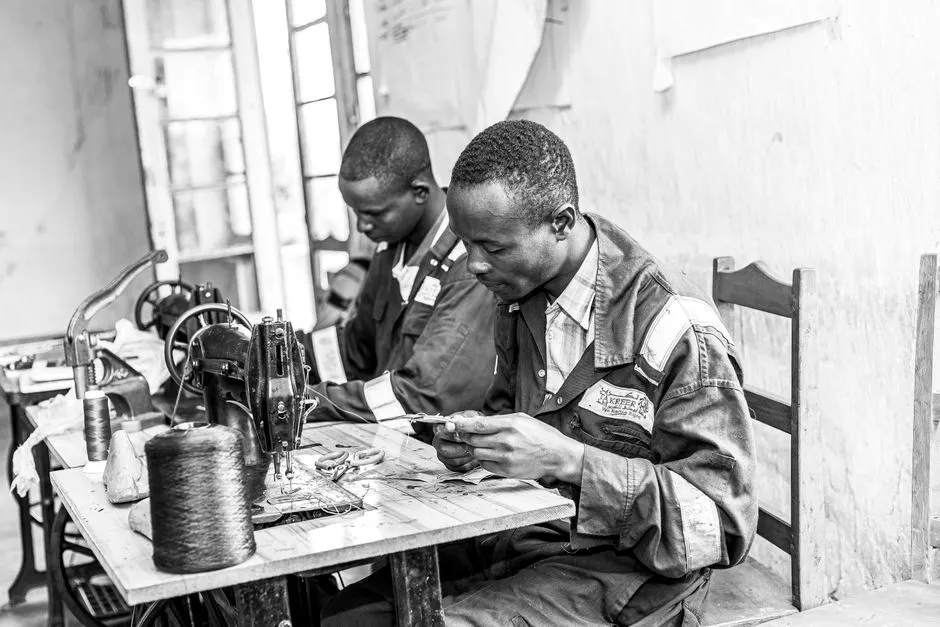 Custom Uniform ManufacturingFull end-to-end uniform production from fabric to finished garment. If your order needs design, sourcing and stitching handled as one job, this is the service that wraps around our tailoring line for Faisalabad clients.Explore →
 Bulk Uniform Manufacturing and Wholesale SupplyFor schools, mills and security companies ordering 500 pieces or more, we run wholesale pricing and staged deliveries. Our stitching capacity feeds directly into these bulk runs, so quantity does not dilute fit consistency.Explore →
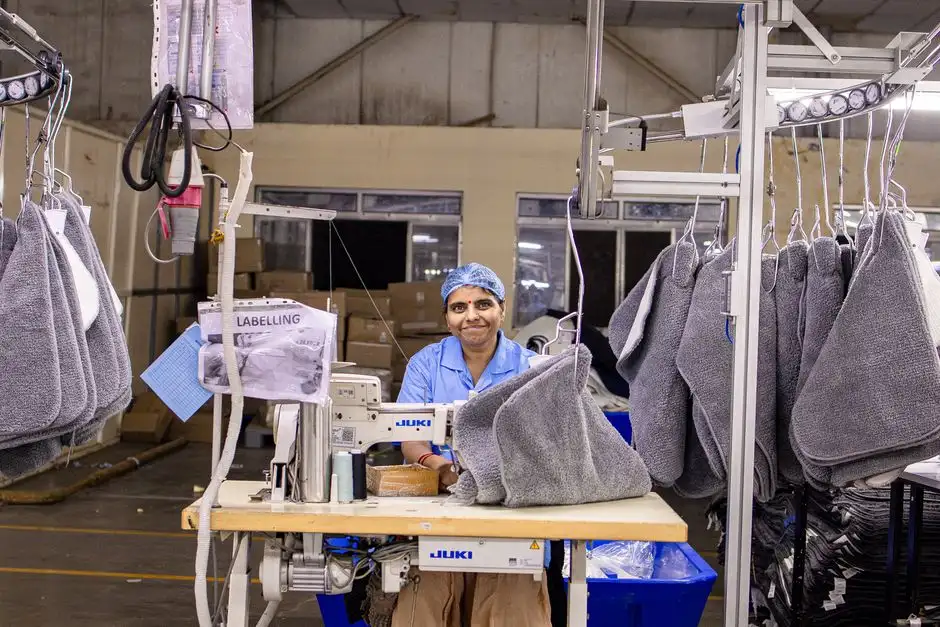 OEM and Private Label Uniform ManufacturingWe stitch under your brand label, with your tags, packaging and logo. Faisalabad distributors and overseas buyers use this when they want their own label on uniforms sewn to our patterns and quality standard.Explore →
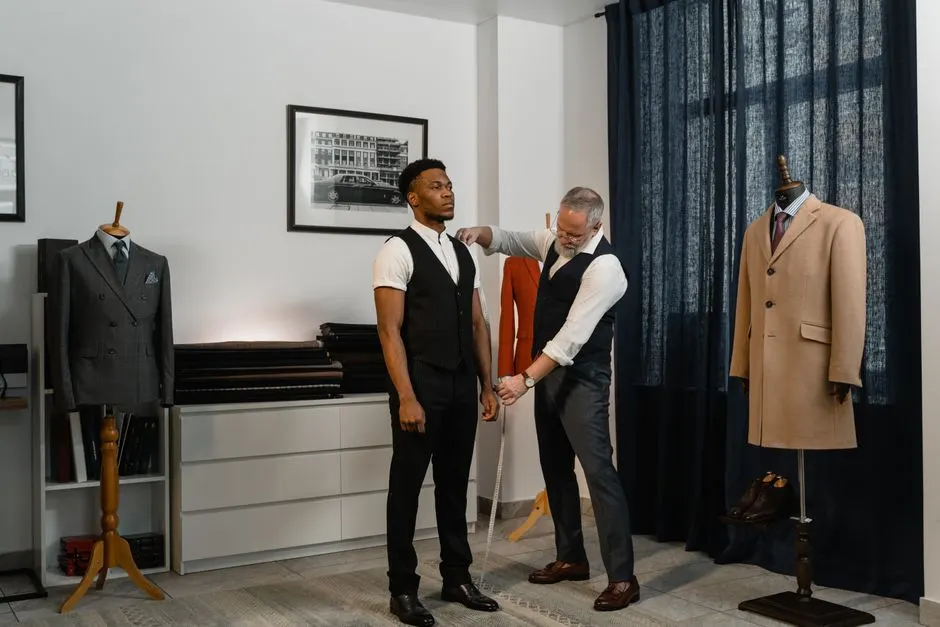 Made-to-Measure Uniform ManufacturingIndividual measurement and stitching for staff whose build falls outside standard sizing. This pairs with our tailoring service when a client needs a tailored fit for a few key people inside a larger bulk order.Explore →
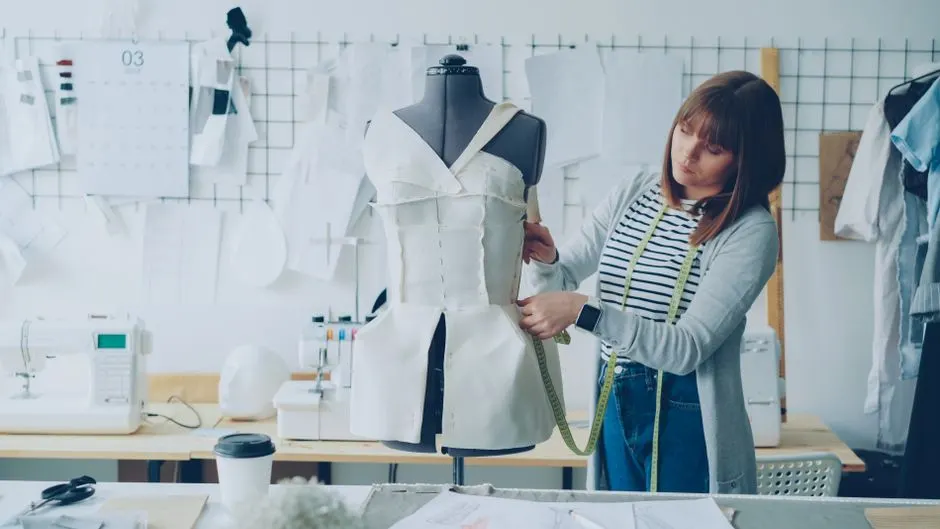
 Uniform Design and Pattern DevelopmentWe draft the pattern and design the garment before a single stitch is sewn. Good pattern work is what makes a tailored uniform fit properly on the tenth reorder, not just the first.Explore →
 Uniform Sampling and Prototype DevelopmentBefore bulk cutting, we stitch a physical sample for your approval. Faisalabad clients try it on real staff, confirm the fit and trim, and only then do we commit the full order to the cutting table.Explore →
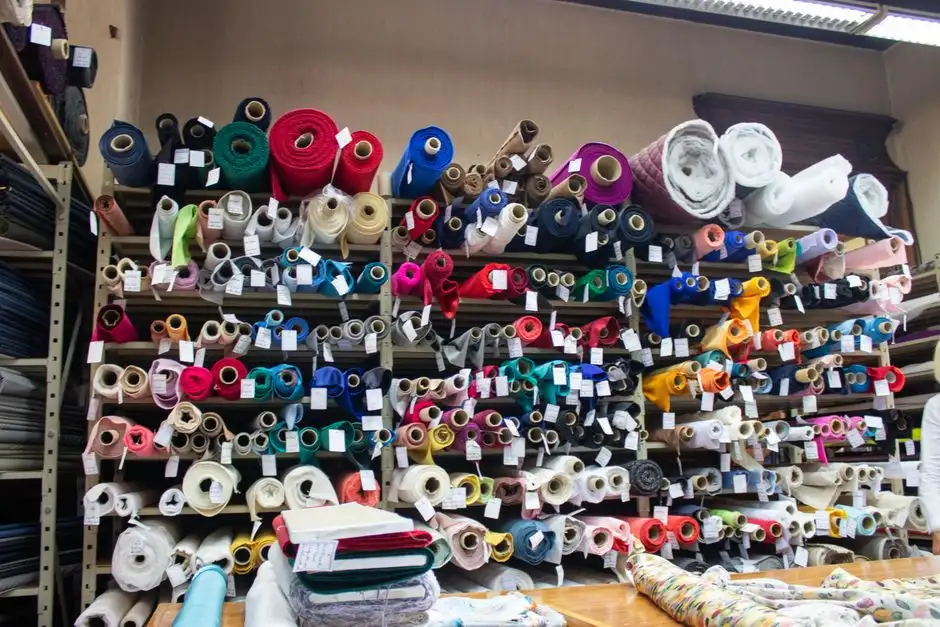 Uniform Fabric Sourcing and Wholesale SupplyWe source poly-cotton, cotton, drill, twill and knit fabrics from Faisalabad's textile market. Fabric choice drives both the cost and the comfort of a stitched uniform, so we match weight and weave to your working conditions.Explore →
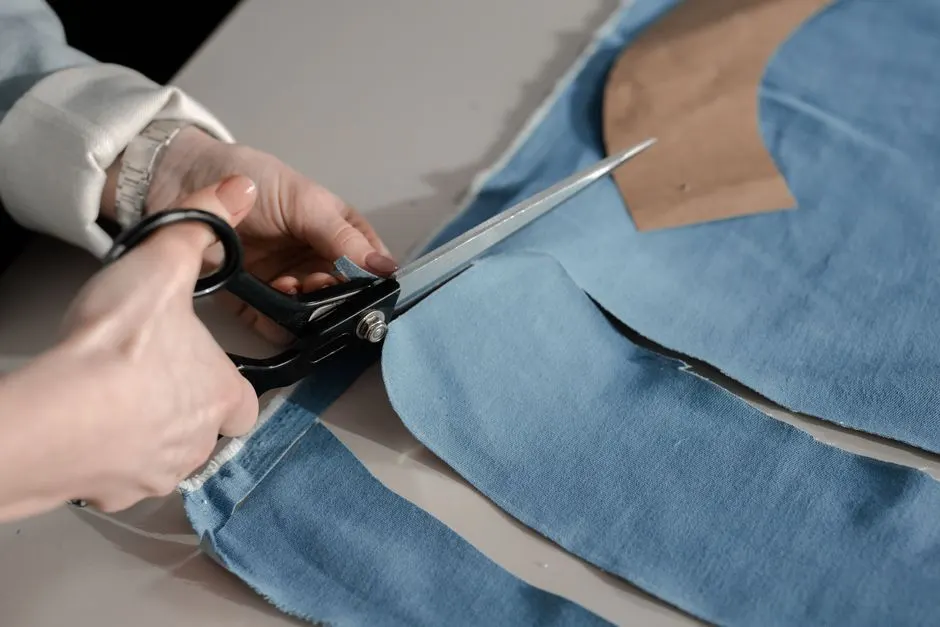 Custom Uniform CuttingBatch cutting from an approved pattern block, with every lay numbered for traceability. Accurate cutting is what keeps a 500-piece order consistent in size from the first garment to the last.Explore →
Send your design, staff sizes and quantity, and we will quote a fixed per-piece rate with a delivery date. We have been stitching uniforms in Faisalabad since 1996, and we stand behind every seam.
Request a Quote +923007674374 →Call or email with your garment type, quantity and required date and we will come back with a per-piece price and a lead time, usually within one working day. Our unit is open Monday to Friday, 08:00 to 18:00, and Saturday morning for sample collection. Local buyers are welcome to visit the floor and check fabric before ordering.