Private Label Uniform Manufacturing: 9 Essential Steps to Launch Your Own Uniform Brand
Private label uniform manufacturing lets you sell uniforms under your own brand without owning a factory. Here are the nine steps to launch, from fabric to first bulk order.
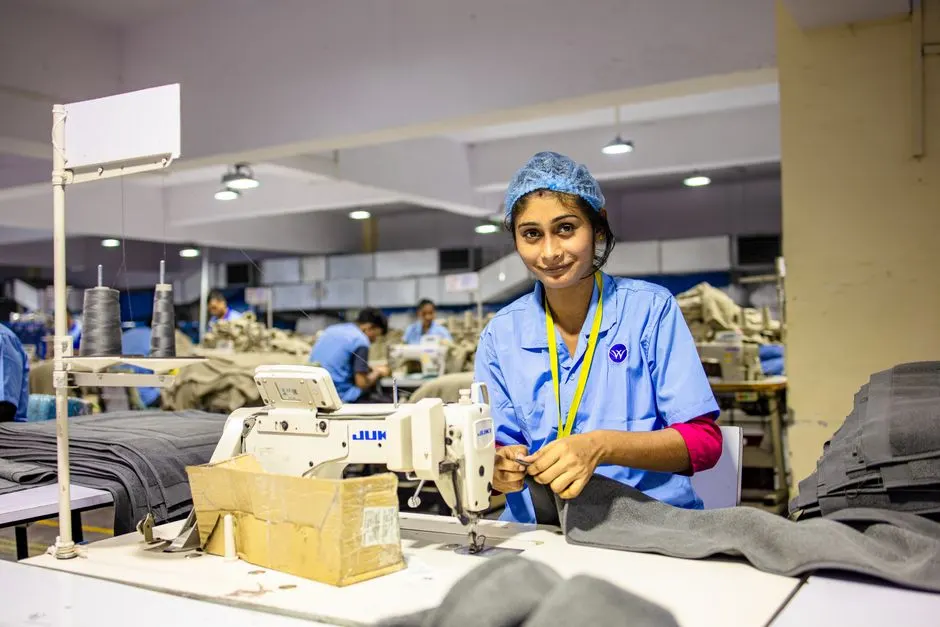
Private label uniform manufacturing is the process of producing uniforms under your own brand name while a factory handles the cutting, stitching, and finishing. You own the label, the design, and the customer relationship; the manufacturer owns the machines and the skilled labour. In Faisalabad, that arrangement is one of the fastest ways to launch a uniform brand without buying a single sewing machine.
This guide walks through the nine steps we take with every private label client at A.G. Fabrics, from the first sketch to the first bulk shipment. If you are launching a school uniform line, a workwear label, or a corporate apparel brand, these are the decisions that decide whether you ship on time or eat the cost of a bad first order.
What Private Label Uniform Manufacturing Actually Means
Private label uniform manufacturing is a production model where a factory makes garments to your specification and sews your brand label inside them, rather than selling you its own branded stock. You control the design, the fabric choice, the sizing, and the packaging. The factory controls the production line.
It differs from plain wholesale in one important way: wholesale means buying what already exists. Private label means the product is built for you. That matters because uniforms are not generic clothing. A security company in Faisalabad needs epaulettes and reinforced stitching at stress points. A school needs a specific shade of navy that matches its existing blazer. A restaurant needs fabric that survives daily oil splatter and a 60°C wash cycle.
Faisalabad has been a textile city for decades, and the infrastructure here supports every stage of this process under one roof. That is why so many new uniform brands start their sourcing here rather than importing finished garments. If you want a broader picture of what the city's textile base can do, our team at Faisalabad textile manufacturing works across the full range of garment production, from single-sample runs to container-scale orders.
Step 1: Define Your Uniform Brand and Target Market
Before you talk to a single factory, write down who you are selling to. A uniform brand that tries to serve schools, hospitals, and construction firms at the same time usually ends up serving none of them well.
Ask yourself three questions:
- Which industry am I targeting first - education, healthcare, security, hospitality, or industrial workwear?
- What is my customer's budget per garment? A school will pay less than a five-star hotel.
- Am I selling one-off custom orders, or repeat bulk supply contracts?
Your answers change everything downstream. A healthcare brand needs antimicrobial fabric and easy-care finishes. A security brand needs durable poly-cotton that holds colour after fifty washes. Pick one lane for your first product line and expand later.
Step 2: Choose Your Product Categories
Your first product line should be narrow enough to produce well and broad enough to sell as a set. Most successful uniform brands launch with three to five core items.
For a school uniform brand, that might be a shirt, a trouser, a sweater, and a PE kit. For a corporate brand, a polo, a formal shirt, and a blazer. For industrial workwear, a coverall, a high-visibility vest, and a hard-wearing shirt.
Keep the first run simple. Every additional style adds pattern development cost, sampling time, and minimum order quantity pressure. We usually recommend new brands start with a maximum of four styles and expand once the first batch sells through.
Step 3: Source the Right Fabric
Fabric is where most new uniform brands either win or lose. It is also where your per-unit cost is decided, since fabric typically accounts for 55-65% of the total garment cost.
For uniforms, you are looking at four workhorse fabrics:
- Poly-cotton (65/35 blend) - the standard for shirts and trousers. Holds colour, resists wrinkles, and costs less than pure cotton.
- 100% cotton - breathable and comfortable, but shrinks 3-5% on first wash unless pre-shrunk.
- Twill - heavier, used for workwear trousers and coveralls where abrasion resistance matters.
- Performance knits - moisture-wicking polyester blends for active uniforms like PE kits and hospitality wear.
Faisalabad's mills produce all of these locally, which keeps your lead times short and your costs predictable. Working with a local Uniform Fabric Sourcing and Wholesale Supply in Faisalabad partner means you can request swatches, test wash performance, and lock a price before you commit to a full production run.
Step 4: Develop Patterns and Sizing
Pattern development is the step most new brands underestimate. A uniform that fits badly will not sell twice, no matter how good the fabric is.
You need a graded size range - usually S to 3XL for adults, and age-based sizing for school uniforms. Each size needs its own pattern block, and each block needs to be tested on real bodies before it goes into production. Skipping this step is why so many first-time uniform brands end up with garments that fit nobody properly.
This is where professional Uniform Design and Pattern Development in Faisalabad pays for itself. A properly graded pattern set costs more upfront but eliminates the returns, alterations, and re-orders that eat into your margin later.
Step 5: Build Samples and Prototypes
Never approve a bulk order without holding a physical sample in your hands. A sample tells you things a spec sheet cannot: how the collar sits, how the fabric drapes, whether the stitching holds at the shoulder seam.
Order two to three prototype rounds. The first confirms the design. The second confirms the fit. The third confirms the finish - buttons, zips, labels, and packaging. Each round takes roughly 7-14 days depending on complexity.
Wear the sample. Wash it three times. Give it to someone in the target industry and ask them to work a full shift in it. If it survives that, you are ready for bulk.
Step 6: Nail Your Branding and Trims
This is the step that makes it private label rather than generic wholesale. Your brand needs to appear on the garment in a way that survives washing and looks professional.
Three branding methods dominate uniform production:
- Woven labels - sewn into the neckline or side seam. The standard for brand identity.
- Embroidery - for logos on chest, sleeve, or back. Durable and premium-looking.
- Screen printing or heat transfer - cheaper for large logos and high-volume runs, but less durable than embroidery.
For most uniform brands, a combination works best: a woven label for the brand, embroidery for the customer's logo. Our Logo Embroidery and Monogramming in Faisalabad service handles both, and we can match thread colours to your brand palette exactly.
Step 7: Move Into Bulk Production
Bulk production starts once you have an approved sample and a confirmed order quantity. Minimum order quantities for private label uniforms in Faisalabad typically start at 100-300 pieces per style, though this varies by fabric and complexity.
Production runs in four stages: cutting, stitching, finishing, and quality check. A 500-piece order of a standard polo typically takes 15-25 working days from fabric approval to dispatch. Complex workwear with multiple panels and reinforced stitching can take 30-40 days.
Plan your launch around these timelines. If you are selling to schools, you need your stock ready two months before the academic year starts, not two weeks.
Step 8: Set Quality Control Standards
Quality control is what separates a brand that gets repeat orders from one that gets returns. Set your standards before production starts, not after.
At minimum, check:
- Stitch density - 10-12 stitches per inch for main seams.
- Colour consistency - every batch should match the approved swatch under daylight.
- Shrinkage - no more than 3% after three washes.
- Colourfastness - no visible fading after 20 wash cycles.
- Trim quality - buttons, zips, and labels all secure and correctly placed.
Ask your manufacturer for an inspection report with each shipment. If they cannot provide one, that is a red flag.
Step 9: Price, Package, and Launch
Pricing a private label uniform is straightforward once you know your costs. Add fabric, cutting, stitching, finishing, branding, packaging, and freight. Then add your margin - 30-50% is typical for a new uniform brand selling direct to businesses.
For 2026, a basic poly-cotton uniform shirt produced in Faisalabad lands at roughly PKR 850-1,400 per piece at 500-unit volume, depending on fabric weight and branding. A full coverall runs PKR 2,200-3,800. These are factory-gate prices; your retail or B2B price will be higher.
Packaging matters more than most new brands expect. Uniforms sold to schools and hotels are often delivered in bulk to a single address, so poly-bagging with a size sticker is usually enough. If you are selling individual pieces online, invest in branded poly mailers.
Common Mistakes to Watch Out For
The mistakes that sink new uniform brands are predictable, and almost all of them happen before production starts.
- Skipping the sample stage. Approving a bulk order from a spec sheet alone is the single most expensive shortcut.
- Choosing fabric on price alone. Cheap fabric that pills or fades after ten washes will cost you the customer.
- Under-ordering on the first run. If your MOQ is 300 and you order 300, you have no buffer for defects or re-orders.
- Ignoring sizing data. Pakistani body sizes vary by region and industry. Get real measurements from your target customers before grading patterns.
- No written spec sheet. Verbal instructions get lost between the sample room and the production floor.
Every one of these is avoidable with a manufacturer who asks the right questions upfront.
When to Call a Professional
You can handle brand strategy, marketing, and sales yourself. You should not try to handle pattern grading, fabric testing, and production scheduling on your own for a first order.
A.G. Fabrics works with new uniform brands across Faisalabad and Punjab, handling everything from fabric sourcing to final packaging under one roof. We quote upfront, we send samples before bulk, and we tell you honestly if a design will not work at your target price. If your first order is still on paper, that is the right time to talk to us.
Frequently Asked Questions
How much does it cost to start a private label uniform brand in Faisalabad?
Expect PKR 250,000-600,000 for a first run of 300-500 pieces, including fabric, production, branding, and packaging. Costs drop per unit as volume rises. Sampling and pattern development add PKR 40,000-90,000 upfront.
What is the minimum order quantity for private label uniforms?
Most Faisalabad factories start at 100-300 pieces per style. Below 100, per-unit costs rise sharply because setup time is spread across fewer garments. Some factories accept 50-piece trial runs at a premium.
How long does private label uniform production take?
From approved sample to dispatch, a standard order takes 15-25 working days. Complex workwear with multiple panels can take 30-40 days. Add 7-14 days for sampling if you are starting from scratch.
Can I put my own brand label on the uniforms?
Yes. That is the core of private label. You supply the label design or we produce woven labels to your spec, and they are sewn into the neckline or side seam. Customer logos can be embroidered or printed separately.
Do I need to provide my own fabric?
No. Most private label clients let the manufacturer source fabric from local Faisalabad mills. You approve swatches and test wash performance before production. If you have a preferred fabric supplier, we can work with them too.
Get Help With Custom Uniform Manufacturer in Faisalabad
Launching a uniform brand is a nine-step process, and the first three steps decide whether the rest run smoothly. If you want a manufacturer who will walk you through fabric selection, sampling, and bulk production without cutting corners, our team is ready.
Call A.G. Fabrics at (92) 300 7674-374 to discuss your first private label order. We will quote upfront, send samples, and give you a realistic production timeline before you commit.